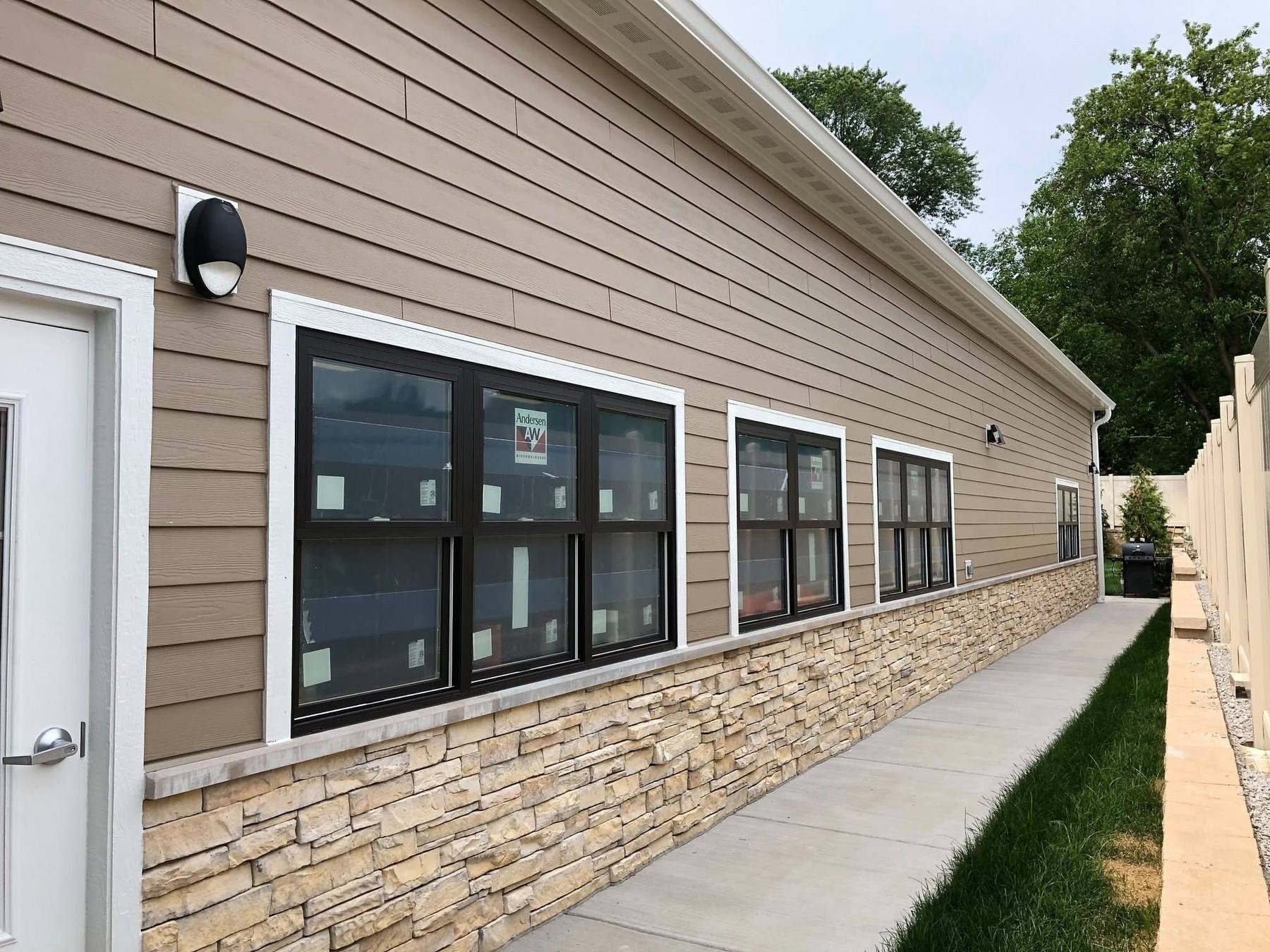
Window Replacement in Hanover Park, IL
Replacement windows installed by the same crew that handles your siding, trim and flashing, so whatever's behind the window gets fixed too, not covered back up. Free in-home measurements, financing available, and a 5-year workmanship warranty from a family owned contractor in Hanover Park.
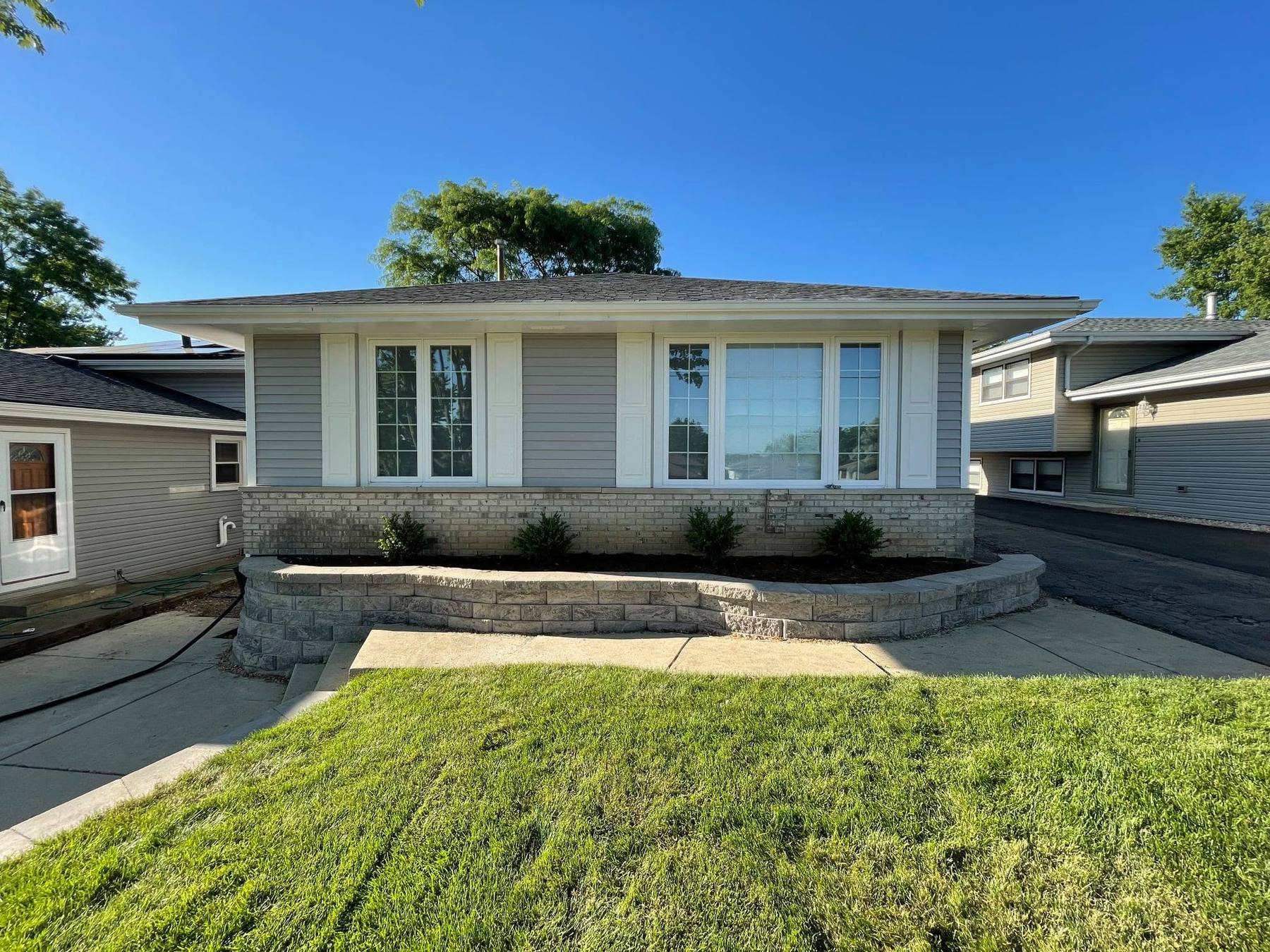
Why a Siding Contractor Installs Better Windows
A window company installs a window into whatever opening it finds. That's the whole job as they've scoped it, pull the old unit, set the new one, caulk it, done. It works fine when the wall behind the window is sound.
We're an exterior contractor. We open walls for a living, and we know what's usually behind a 30-year-old window in this housing stock: a rotted sill that someone painted over, flashing that was never lapped correctly or was left out entirely, missing or torn house wrap at the opening, and the gap around the frame stuffed with fiberglass insulation instead of foam, which does nothing to stop air, and holds water when it gets in.
None of that is visible until the old unit comes out. And once it's out, it takes a contractor who does siding and trim to correct it properly, flash the opening, tie it into the wrap, detail the trim so water sheds away from the frame instead of sitting on it. A new window installed over a bad opening is a new window that leaks in four years, and the homeowner blames the window.
That's the difference, and it's a difference a window-only company structurally can't offer.
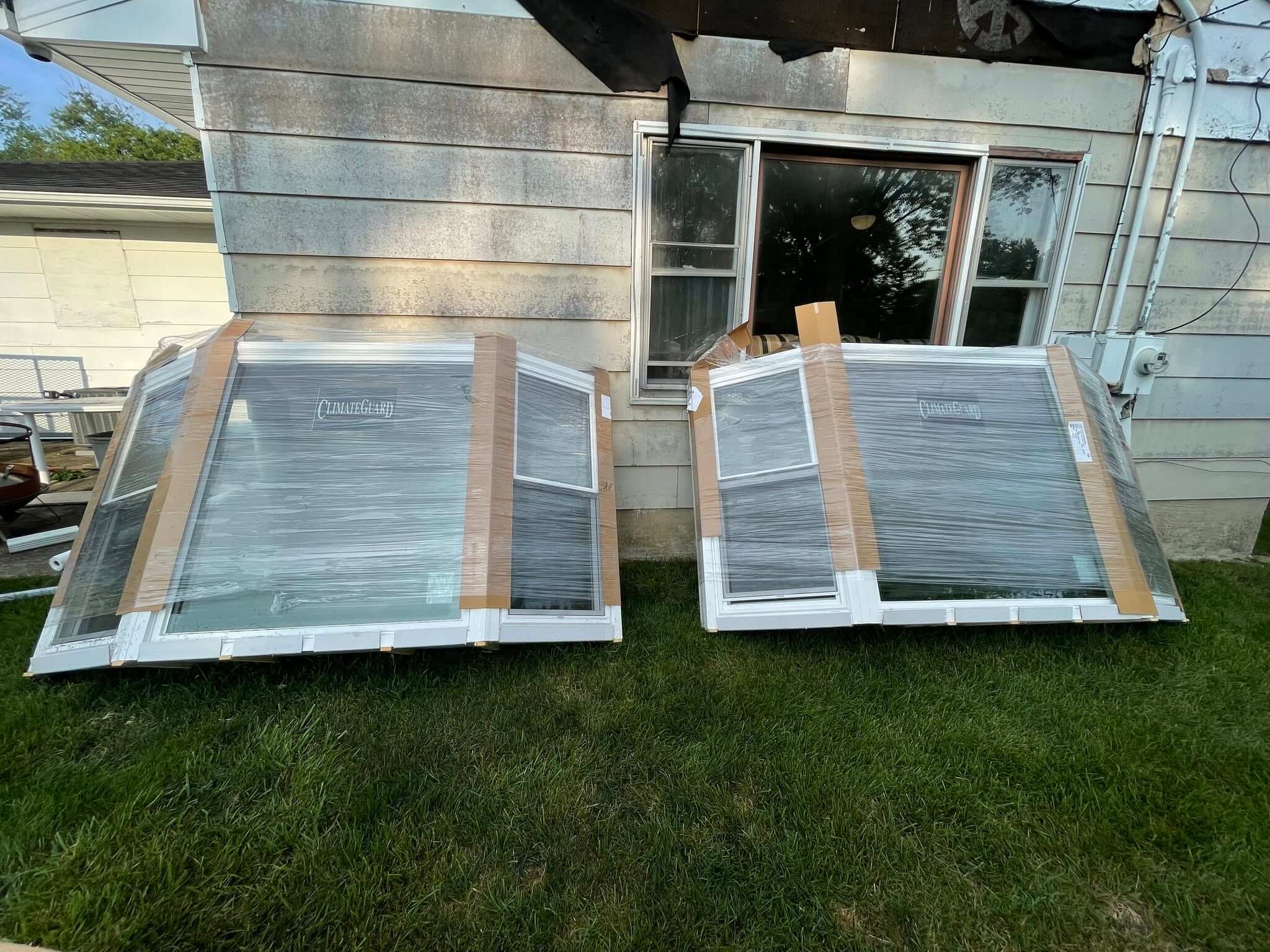
Signs It's Time to Replace Your Windows
Condensation or fog between the panes, the seal has failed and the insulating gas is gone. This one cannot be repaired; the sealed unit has to be replaced.
Drafts you can feel from a foot away, usually failed weatherstripping or a sash that's no longer square in its frame.
A window that won't stay open, or won't lock, balances or hardware have worn out. On older vinyl and aluminum units the parts are often no longer made. Heating bills climbing with nothing else changed, single-pane or early double-pane units lose far more heat than most homeowners expect, and it gets worse as seals age.
Rotted or soft wood at the sill, water is already getting in, and it's been getting in for a while. Replacing the window without correcting the sill just buries the problem.
Daylight or water staining at the trim, the flashing has failed. That's an opening problem, not a glass problem, and it needs to be corrected while the unit is out.
Window Types We Install
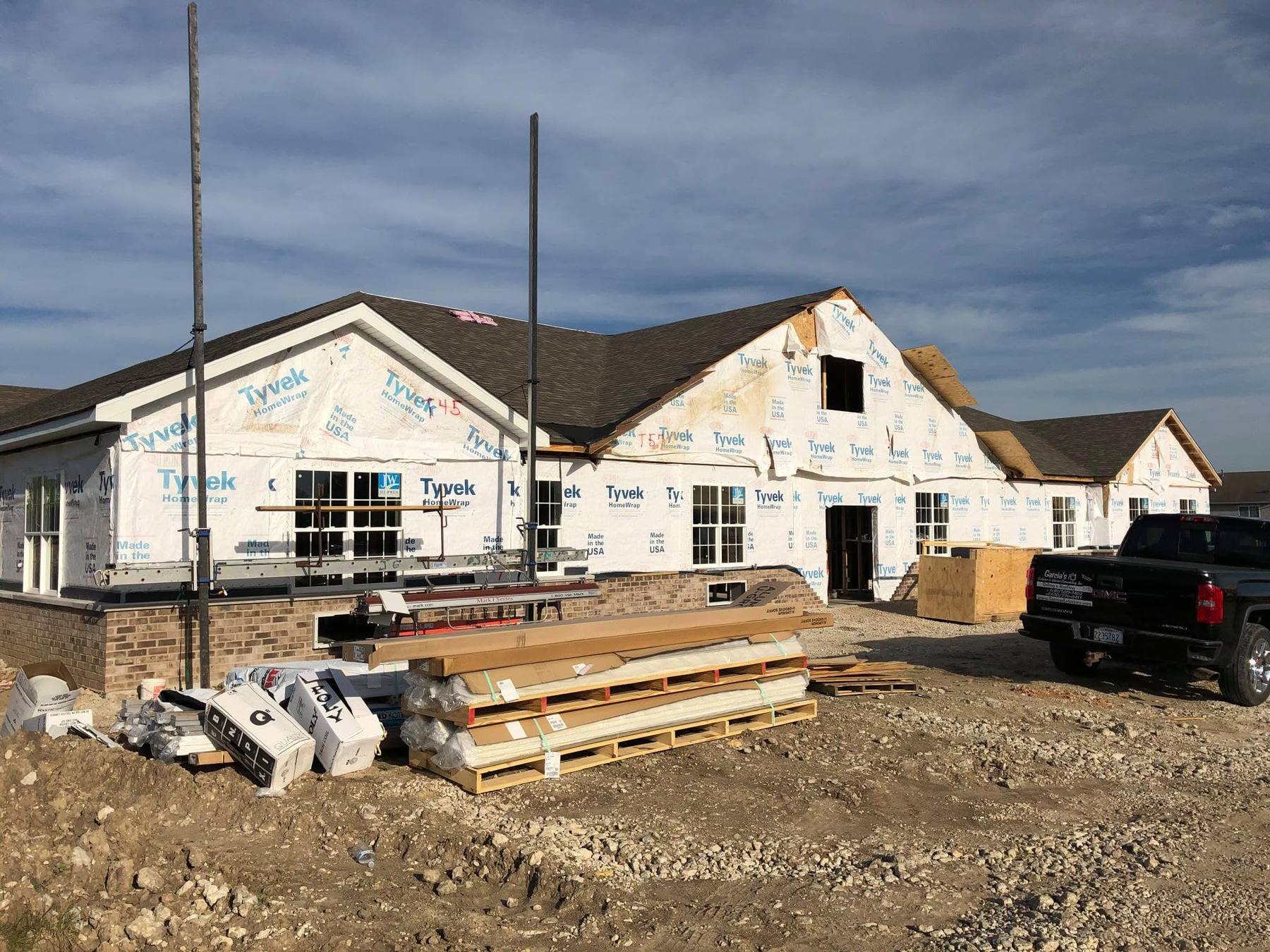
Double-Hung
The default in most suburban homes here, and the most versatile. Both sashes operate, and both tilt in for cleaning from inside, which matters on a second story. Fits traditional elevations without looking out of place.
Casement
Cranks outward on a hinge. Because the sash seals against the frame when closed, casements are typically the tightest window you can buy, good for exposed elevations and windy sites. They're also the easiest to operate over a kitchen sink or counter.
Sliders
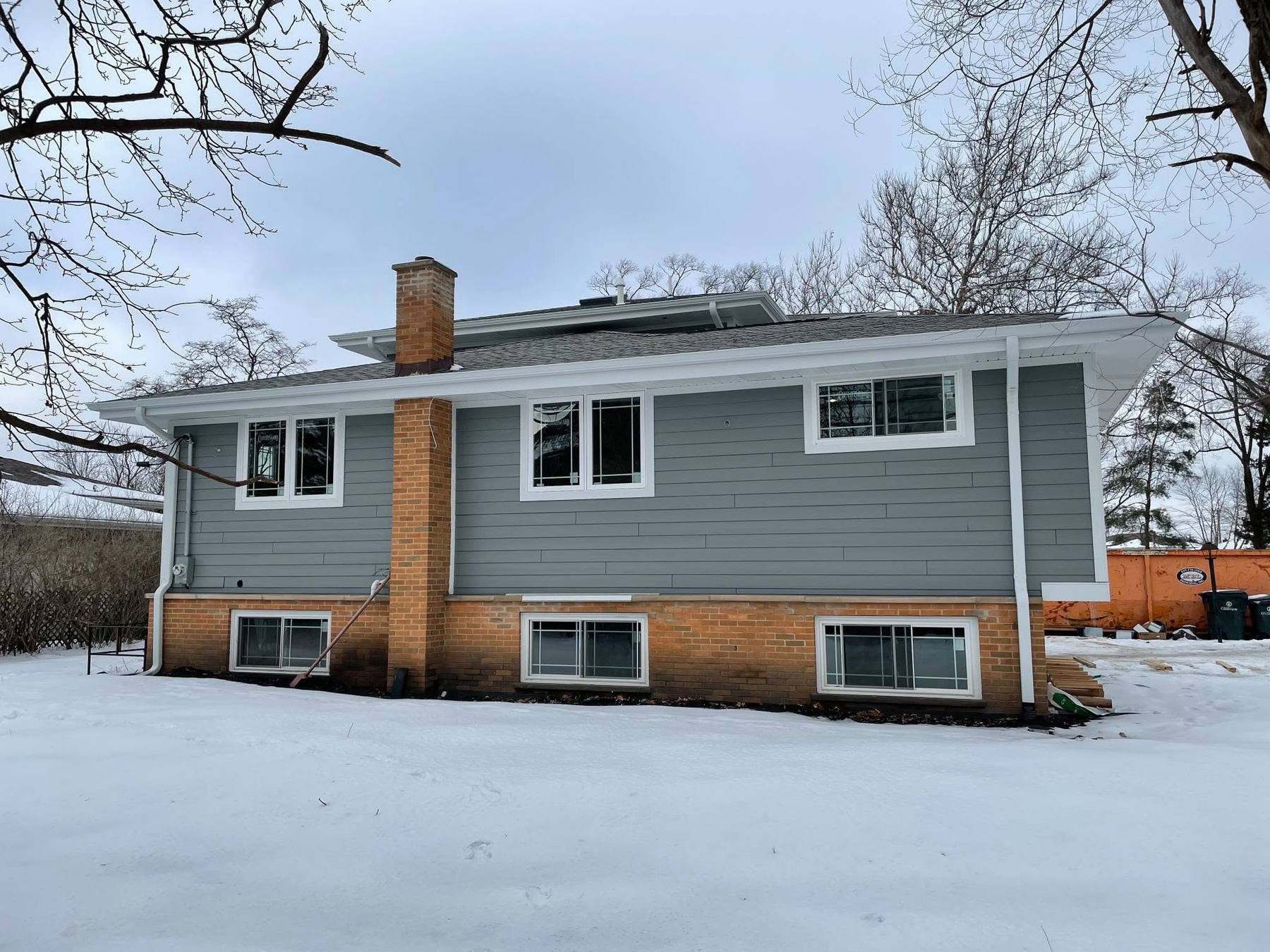
Horizontal operation, no crank, nothing projecting into the yard or a walkway. Common in ranches and split-levels, and a practical choice for wide, short openings.
Picture & Bay
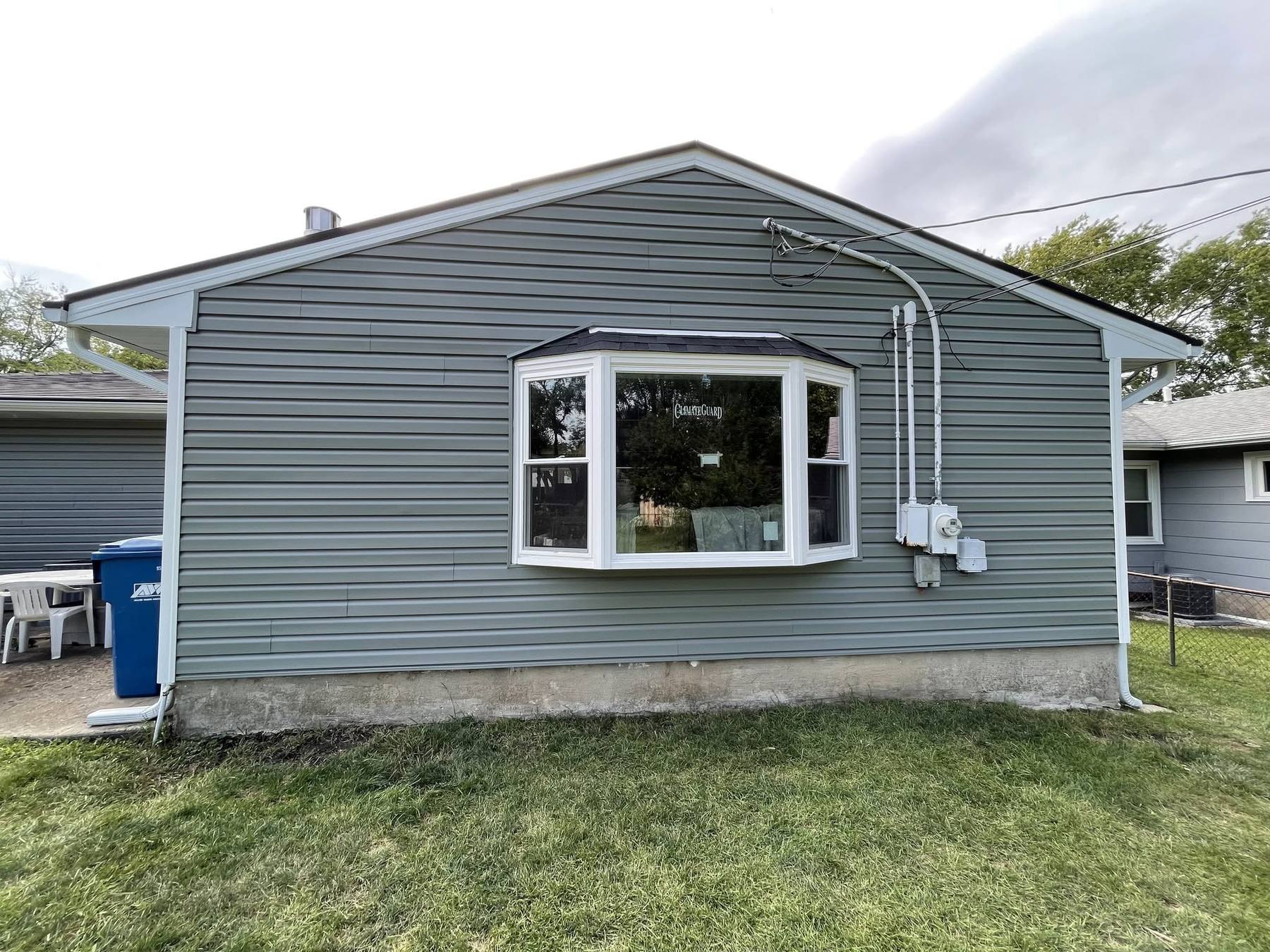
Picture windows don't open, all glass, maximum light, best thermal numbers
because there's no operating seal. Bays and bows project outward and change a room. Bay units need proper support and a well-detailed roof over them; done badly, they're one of the most common leak points on a house.
Energy Efficiency: What Actually Matters
You'll hear four numbers in a window sales presentation. Here's which ones matter in this climate, in plain terms.
U-factor measures how much heat escapes. Lower is better, and in a Chicago winter it's the number that actually shows up on your gas bill. ENERGY STAR's Northern Zone criteria are the benchmark worth asking about.
SHGC, Solar Heat Gain Coefficient, measures how much of the sun's heat comes through. Here, a moderate SHGC is usually right: you want some winter solar gain, not a west-facing room that's unusable in August.
Low-E coating is a microscopically thin metallic layer on the glass that reflects heat back where it came from. It's standard on anything worth buying now, and the different coating packages are tuned toward heating or cooling climates.
Gas fill, argon between the panes instead of air, slows heat transfer. It's a real improvement and it's inexpensive; it's also frequently sold as if it were a breakthrough.
What nobody in a sales presentation will tell you: the best-specified window in the world underperforms if the opening is badly flashed and the perimeter is stuffed with fiberglass instead of foam. Installation does more for real comfort than the last increment of glass package.

See the Windows on Your House First
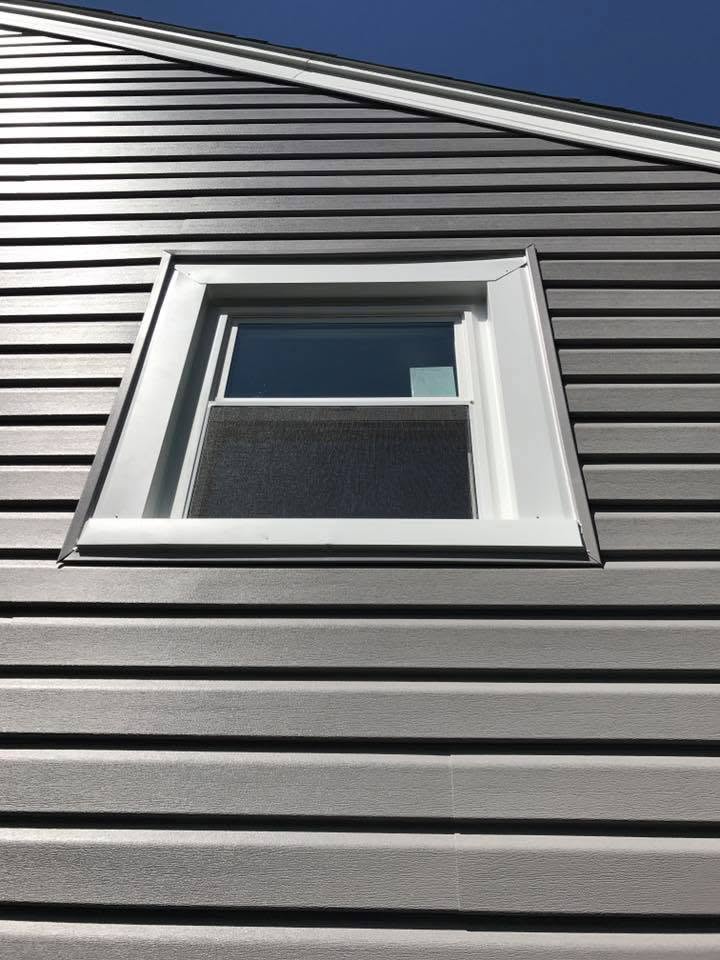
New windows change how a house reads more than most people expect, grille pattern, frame color, and whether the trim gets wrapped all shift the whole elevation. Our 3D design rendering shows you the result on your actual house before the order goes in, which matters more with windows than with almost anything else, because they're built to order and can't be swapped after.
How a Window Replacement Works
1. Free In-Home Measurement
Every window gets measured individually, openings in older houses are rarely square and almost never identical. We also look at the exterior condition
around each opening, because that's what decides whether you need an insert or a full-frame replacement.
2. Order & Lead Time
Windows are built to order. Lead time from order to install depends. You'll get a real date, and if the manufacturer moves it you'll hear it from us.
3. Installation Day
Each opening is done start to
finish before we move on, so you're never left with an open wall. The house stays livable throughout, and we don't open more than we can close that day.
4. Trim, Seal & Cleanup
Foam the perimeter, not fiberglass, flash and tie into the house wrap, then wrap or install the exterior trim and seal it. Interior trim finished as agreed. Old units hauled away, site cleaned, and we walk every window with you to check operation and locks before we leave.
Financing Your Windows
Whole-house window replacement is a cost that arrives all at once, which is why most of our window customers finance it. Monthly payments instead of one bill, and you can apply before the estimate if you want your number first.
Window Questions We Get Asked
It depends on size, style, frame material and whether the opening needs repair once the old unit is out. A standard double-hung vinyl replacement is the baseline; casements, large picture units, bays and fiberglass frames go up from there. We measure and quote per opening so you can see exactly what's driving the number.
Priced individually, because openings aren't identical, a second-floor bedroom window and a bay in the front room are different jobs. We give you a line-item quote rather than a single lump sum, which also means you can phase the project by elevation if you'd rather do it in stages.
Each opening is finished before we move to the next. A typical whole-house project varies based on the amount of windows. The longer part is the lead time, windows are made to order, so the wait is between the order and the install day, not on the install itself.
Each opening is measured at three points for width and three for height, and the smallest measurement governs, old openings settle and are rarely square. We also check the sill for slope and rot. We do this free at the estimate; you don't need to measure anything yourself.
Yes, and we do it regularly here. Each opening is done start to finish before we move to the next, so the house is never open for long and the heat stays on. Very cold days affect some sealants and caulks, so we plan the sequence around it, but winter is not a reason to wait until spring.
An insert sets the new window into the existing frame, faster, less disruptive, and it keeps the interior trim intact, but it slightly reduces the glass area and it leaves the old frame in place. Full-frame takes everything back to the rough opening, which is the only way to correct a rotted sill or bad flashing. If the opening is sound, an insert is the sensible choice. If it isn't, an insert just hides the problem, and knowing which one you're being sold is how you tell a thorough contractor from a fast one.
Get a Free Window Quote
We'll measure every opening, look at the condition behind the trim, and give
you a line-item quote you can actually compare. Free, no obligation.